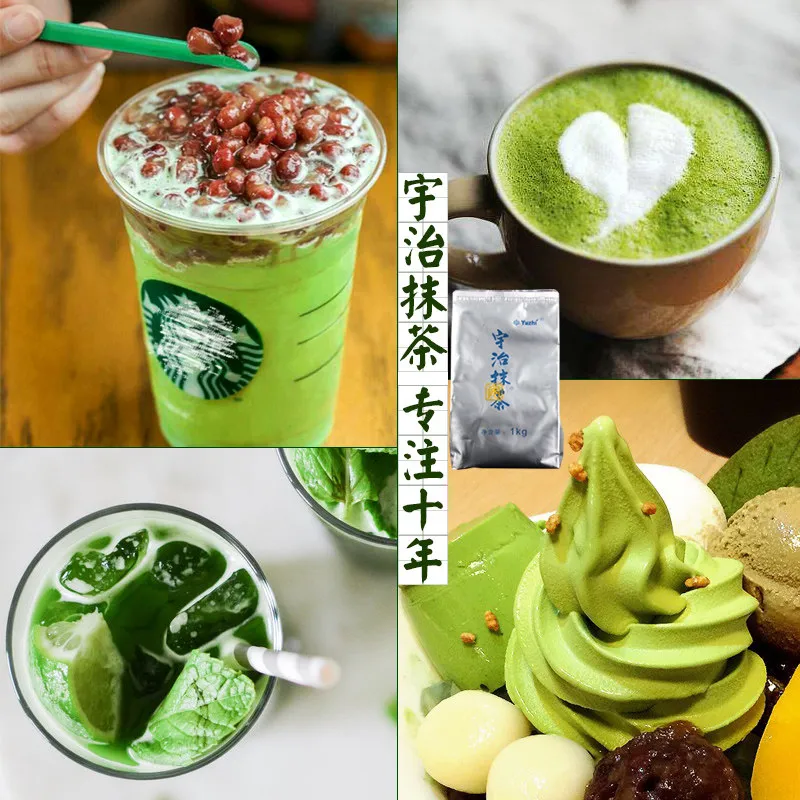


In 2025, China's ready-to-drink beverage market is undergoing an unprecedented "flavor explosion": oily mandarin, wampee, guava, raw coconut, light milk, thick milk, cold brew, nitrogen... New products are iterating on a monthly basis, repeatedly stimulating consumers' taste buds, with attention highly scarce.
However, in this noisy flavor arms race, matcha has shown rare stability and endurance—it is neither the newest trend nor the sweetest, yet it continues to appear in high-end lines, regular SKUs, and even crossover collaborations. From Xicha's launch of matcha lattes in 2017, to Nongfu Spring's inclusion of matcha in its Oriental Leaf regular series in 2024, and then to matcha milk in convenience store refrigerators, matcha has completed its leap from "internet celebrity" to "classic."
Its enduring popularity is worth careful study by beverage industry professionals.
01
Extremely Strong Flavor Compatibility:
Matcha, however, has the ability to play a dual role. As a leading flavor: in unsweetened tea, matcha's umami and slight bitterness create clear recognition and support premium pricing. As a blending base: whether paired with milk, oat milk, coconut milk, sparkling water, coffee, or even alcohol, it can form a stable and layered mouthfeel structure.
More importantly, matcha naturally has a "de-sweetening" attribute. Under the health trend, consumers are increasingly wary of high-sugar drinks, and matcha's slight bitterness can precisely balance sweetness, allowing products to achieve a subtle balance between "tasty" and "guilt-free"—something most fruit flavors cannot do.
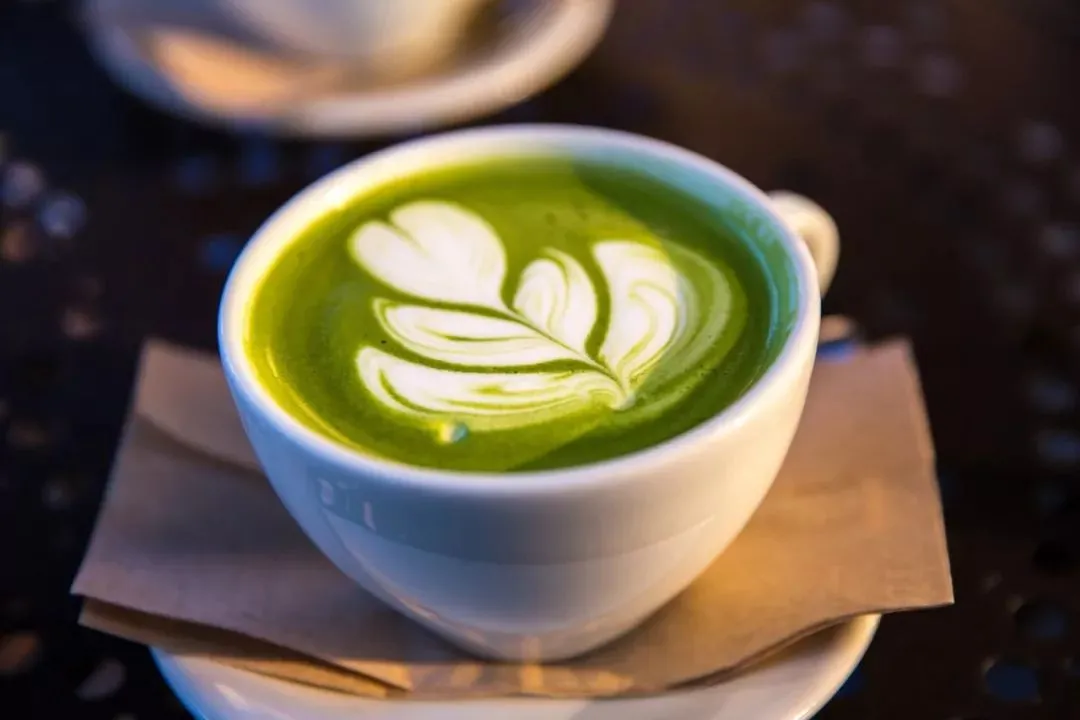
Low Cognitive Cost
Matcha has a globally recognized signature color—Matcha Green. This color family needs no textual explanation to convey multiple associations such as "natural," "fresh," "Japanese/Oriental," and "low burden." In contrast, "guava" needs an explanation of what fruit it is; "oily mandarin" is completely unfamiliar to northern consumers; "cold brew" is a process, not a visual symbol
A touch of green, however, crosses regions, ages, and cultures, forming a visual asset with zero education cost. Brands only need to use this color tone to quickly establish category belonging and emotional preset. This kind of "what you see is what you get" certainty is especially precious in a fragmented era.
Extensibility & Legitimacy
This allows its narrative to extend upward to "spiritual needs" and downward to "daily refreshment." Brands can flexibly invoke it according to positioning: high-end lines emphasize "Uji ingredients" and "stone-milled craftsmanship"; mass lines focus on "afternoon clarity" and "sugar-free and tasty"; crossover collaborations borrow "Zen" and "guofeng" for aesthetic grafting.
Cultural depth gives it anti-cyclical ability—when trends fade, the story remains.
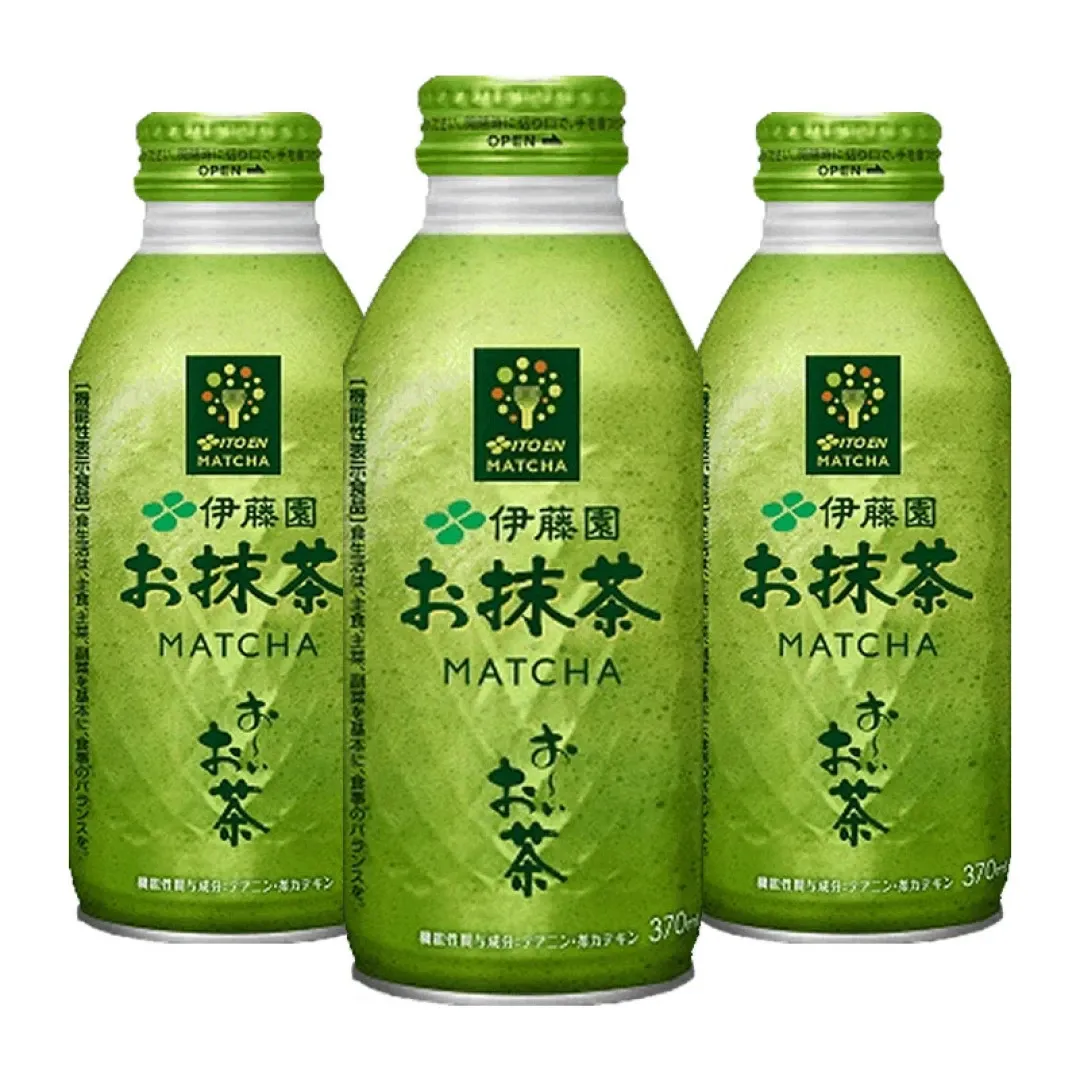
“Controllable Scale” Has Been Achieved
But by 2025, these two points have been gradually overcome: domestic substitution is accelerating: modern matcha planting and processing bases have been built in Guizhou, Zhejiang, and other places, with mid-range matcha powder prices falling 40%, and quality approaching Japanese entry-level; microencapsulation and stabilization technologies have become widespread, allowing matcha to maintain color and flavor in ambient beverages for more than 6 months; leading brands' large-scale procurement further dilutes costs.
This means matcha has moved from "luxury additive" to "a mass-producible high-quality flavor option." Companies no longer abandon it due to cost or technology; instead, they prioritize it because of its "high perceived value + controllable cost."
Matcha's enduring popularity is not due to marketing hype, but because it simultaneously possesses "high value + high feasibility" across four dimensions: flavor, visual, culture, and supply chain.